

Victoria’s gambling regulator has warned social media influencers that gambling promotions are not just risky content. They may also be illegal.
The Victorian Gambling and Casino Control Commission says influencers who promote gambling can expose Victorians to harm, especially when the content reaches young or vulnerable audiences. CEO Suzy Neilan said the regulator is concerned about gambling being pushed through social media in ways that can look casual, harmless or even aspirational.
That is the problem with influencer gambling content. It rarely looks like an old-fashioned betting ad. It might be a clip, a livestream, a giveaway, a podcast mention or a “watch me win” post. The tone is usually friendly. The product behind it may be anything but.
VGCCC has said it is considering regulatory and legal options where content is found to breach the Gambling Regulation Act 2003. The Act prohibits the promotion and advertising of poker machines, and the regulator has made clear that influencers are not sitting outside the law just because they are posting from a phone instead of buying ad space.
Why Influencer Gambling Content Is Harder to Police
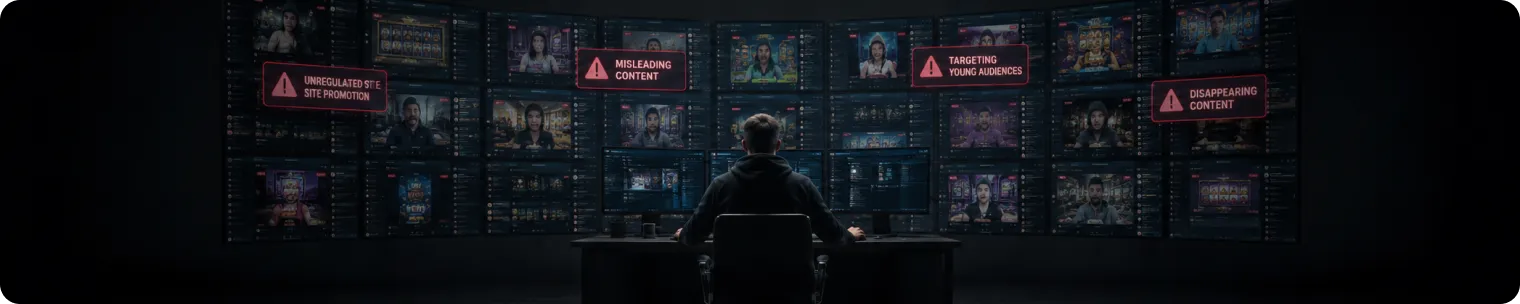
For Victoria, this is a timely warning. Gambling promotion has moved well beyond TV, radio and sports signage. Those channels are still important, but the fastest-growing risk sits in feeds where content and advertising blur together. A young person scrolling TikTok or Instagram may not stop to ask whether a creator is being paid, whether the gambling site is legal, or whether the “big win” being shown is a fair picture of the product.
That grey area is exactly where gambling brands like to operate.
Influencers can make gambling feel personal. A recommendation from a familiar face can land differently from a banner ad. It feels less corporate, less scripted and more like a tip from someone the audience already trusts. That trust is valuable, which is why operators and affiliates are willing to pay for it.
The risk is higher when the product is illegal offshore gambling. Australia does not allow online casino-style products such as digital pokies, roulette and blackjack to be offered to local customers. ACMA has spent years blocking illegal gambling sites, but offshore operators keep trying to reach Australians through mirror links, social media, affiliates and paid promotion.
Victoria’s warning fits into that wider national problem. Regulators are no longer only chasing operators. They are looking at the people and channels that help those operators find customers.
That shift matters. A gambling site can be blocked, but a creator can still post a new link. An offshore casino can change its domain, sponsor a podcast or run a giveaway. By the time a regulator catches up, the content may already have reached thousands of people.
The VGCCC’s message is aimed at that marketing chain. If influencers help promote gambling, they cannot assume responsibility ends with the brand paying them. They may be helping direct people towards products that carry legal and consumer protection risks.
Offshore Casino Promotion Creates Extra Consumer Risks

The consumer side should not be glossed over. Licensed Australian wagering operators sit under local rules around self-exclusion, advertising, complaints and player protection. Illegal offshore sites do not offer the same safety net. If a customer cannot withdraw winnings, gets locked out of an account or is hit by unclear terms, Australian regulators may have limited practical power to help.
That is why gambling promotion can do more damage than a normal paid post. A bad skincare ad might leave someone annoyed and out of pocket. A gambling promotion can point people towards a product built around repeat spending, fast losses and weak protections.
The influencer economy also moves faster than traditional enforcement. A post can be deleted. A story can vanish after 24 hours. A livestream can drive traffic in real time. Regulators working through formal processes are often trying to clean up after the audience has already clicked.
For creators, the safest approach is obvious: do proper checks before taking gambling money. Is the operator licensed? Can the product legally be promoted in Victoria? Is the content aimed at Australian users? Does it involve poker machines, online casino games or inducements that may breach local rules? If those questions feel boring, that is unfortunate. Compliance is rarely glamorous, but fines are worse.
There is also a reputational risk. Public tolerance for gambling promotion is thinning, especially around sport, young audiences and social media. A creator who takes the wrong sponsor may not only face regulatory attention. They may lose trust with the audience they spent years building.
For operators and affiliates, the VGCCC warning is another sign that social media will not stay a soft target. Australia’s gambling ad debate has mostly focused on broadcasters, sports codes and online wagering brands. The next front is messier: creators, podcasts, streamers, affiliate pages and private communities.
Victoria is now making its position clearer. Influencer gambling content is not exempt because it looks informal. If it promotes gambling in breach of the law, the regulator may act.
The message is not complicated. If a creator is being paid to push gambling, they are not just making content. They are stepping into a regulated industry, whether they understand that or not.