
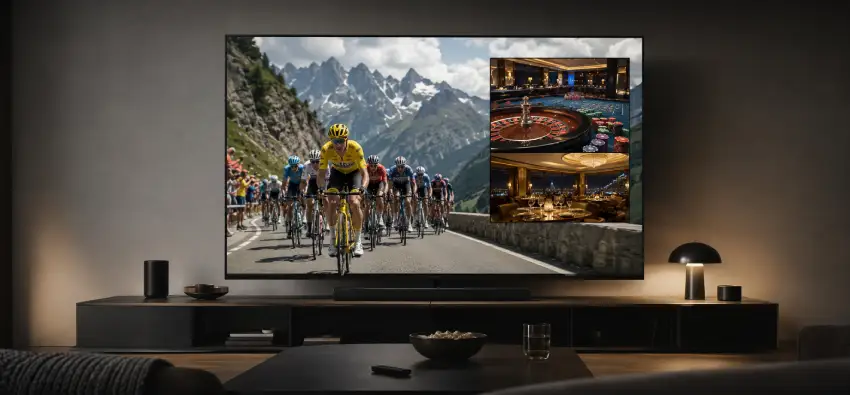
SBS has been found to have breached gambling advertising rules after airing a Crown advertisement during a live broadcast of the Tour de France.
The Australian Communications and Media Authority said the broadcaster showed the ad at a prohibited time during July 2025 coverage of the cycling event. The investigation found the commercial promoted Crown’s gambling activities, even though it also featured dining, entertainment and accommodation.
When a Venue Ad Becomes a Gambling Ad

That distinction is where the case gets interesting. Gambling ads during live sport are tightly restricted, but the industry code allows some exceptions for ads about dining or entertainment facilities at venues where gambling also takes place. Crown is not just a casino. It also sells restaurants, bars, hotels and event spaces, which gives its marketing team more room to move than a straight betting brand.
ACMA decided this particular ad crossed the line because it used the tagline “premier casino resort”. According to the regulator, those words drew attention to gambling activities at the venue, meaning the ad could not rely on the dining or entertainment exception.
Two other Crown ads shown during the Tour de France did not breach the rules. They focused on food preparation, dining and entertainment, and did not use the “premier casino resort” wording. That makes the ruling fairly narrow, but also very useful for broadcasters and casino operators: one phrase can be the difference between a legal venue ad and a gambling ad breach.
ACMA Authority Member Carolyn Lidgerwood said the exception does not apply if any part of an ad draws attention to gambling in a way that directly promotes those activities. This was the first time ACMA had considered the dining or entertainment exception in an investigation, so the finding now gives broadcasters a clearer warning.
SBS disagreed with the decision, but said it takes the matter seriously and remains committed to regulatory compliance.
What the Ruling Means for Live Sport Advertising

For viewers, this may look like a small technical ruling. For the gambling ad debate in Australia, it lands neatly inside a much bigger argument.
The federal government is preparing tighter gambling advertising rules from 2027, including limits around live sport, restrictions on gambling branding and stronger rules for online ads. Much of that debate has focused on betting companies, but casino resort brands sit in a trickier category because they can promote restaurants, shows and hotels while still carrying the casino identity in the background.
ACMA’s ruling says that background matters. If a casino ad leans too heavily on the gambling identity, it may be treated as a gambling commercial even when the pictures on screen are plates, rooms and cocktails.
That will matter for broadcasters. Live sport is already a sensitive space, and compliance teams will now need to look beyond whether an ad shows a gaming floor or a betting product. The wording, taglines and brand positioning can also bring the ad into gambling territory.
It will matter for casino operators too. The safe route is to keep venue ads genuinely focused on non-gambling facilities when they run around live sport. The riskier route is trying to squeeze in a casino identity line and hoping the regulator sees it as harmless branding.
ACMA has now made clear that it may not.
The finding does not carry the drama of a giant fine or licence threat, but it still has bite. It narrows the room for casino brands to appear around sport under the cover of dining and entertainment. It also gives regulators another example to point to as Australia’s gambling advertising rules tighten.
The Tour de France case is a reminder that gambling promotion is not always loud. Sometimes it is a tagline at the end of a polished venue ad. For ACMA, that was enough.