Aussie Poker Etiquette: What Not to Do at the Table

02.06.2026
Aussie Poker Etiquette: What Not to Do at the Table

Poker isn’t just about knowing your odds or pulling off a sneaky bluff - it’s also about knowing how to act. Aussie poker rooms are usually chilled, but there’s still an unwritten code. Break it, and you’ll find yourself on the wrong end of a few glares - or worse, shown the door.

Whether you’re playing in a pub league, a big-name tourney, or dabbling in online rooms at new casinos, here’s your crash course in what not to do at the poker table.

Avoid Slow Rolling

Slow rolling is widely considered poor etiquette in poker. It occurs when a player deliberately delays revealing a winning hand, especially in situations where an opponent is all-in.

  • This behaviour is viewed as unsportsmanlike and unnecessarily provocative.
  • It can create tension at the table and diminish the overall playing experience.
  • Promptly revealing a strong hand demonstrates respect for other players.


Display your cards without delay when holding a winning hand.

Don’t Splash the Pot

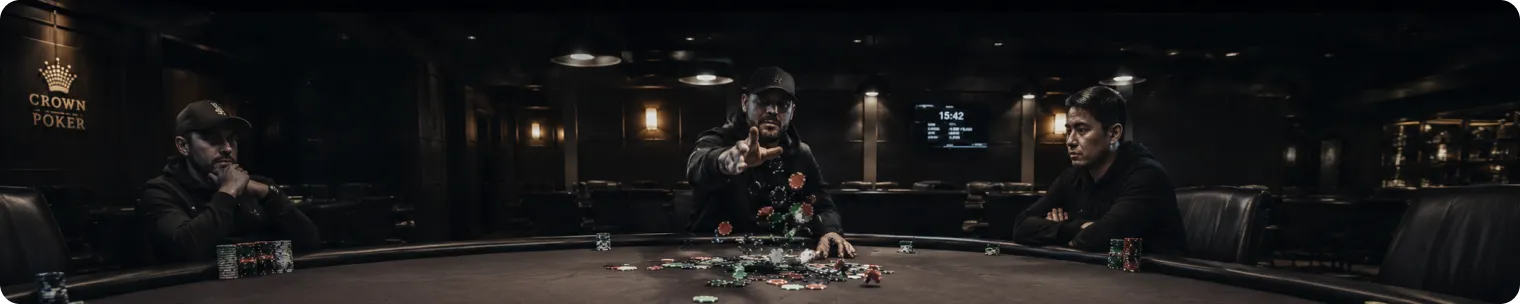
Chips splashing into a poker pot

Throwing chips directly into the pot not only causes confusion but makes you look like a fish trying to copy movie poker. In real life, it’s messy and unnecessary.

At most Aussie poker venues - whether it’s Crown, Star, or local pub comps - splashing the pot is called out straight away. Don’t be that guy who makes the dealer fish out chips and recount the action.

Poker pro tip: Make clean bets. Stack your chips, slide them forward. Simple.

Don’t Be a Hero With Hand Commentary

This one’s for the chatty Cathies. Sitting out a hand? That’s your cue to zip it.

Even saying “I folded a queen” during a big pot is off-limits. It gives info that other players didn’t earn, and it can totally throw off the vibe.

And no, you don’t get a pass for being “helpful” or “just curious.” It’s basic etiquette to keep your mouth shut during live hands.

Don’t Act Out of Turn

This rule alone saves countless headaches.

Maybe you’re eager, distracted, or had one too many lagers - but acting before it’s your turn is one of the fastest ways to annoy the whole table.

In some places, repeated offences can actually void your action or get you penalised. And let’s be real: nobody wants to babysit the bloke who can’t follow the flow.

Wait your turn. No excuses.

Don’t Waste Everyone’s Time With Overthinking

Tank-folding every hand makes sense... if you’re playing the final table of the Aussie Millions. But in a $50 rebuy pub game? Come on, mate.

Most decisions at the table aren’t life-or-death. Unless it’s a crucial pot or you’re facing a massive bet, you should be acting within 15-20 seconds, tops.

Don’t be the human pause button.

Don’t Be a Bad Winner or a Sore Loser

Nobody likes gloating. And nobody wants to hear a sob story either.

Celebrate your wins, sure - but keep it cool. No need to fist-pump like you’ve won the Ashes. On the flip side, if you lose to a two-outer on the river, take a breath and move on.

Pro poker mindset: Win with class, lose with grace.

Don’t Stack Your Chips Like a Clown

When your chip stack looks like a game of Jenga, it’s not cute - it’s annoying.

If players can’t tell how much you’ve got, it messes with decision-making. And in some cardrooms, hiding chips can be considered an angle shoot. Always stack by denomination and keep the high-value chips up front.

Transparency builds trust and keeps the game moving.

Do Not Direct Frustration Toward the Dealer

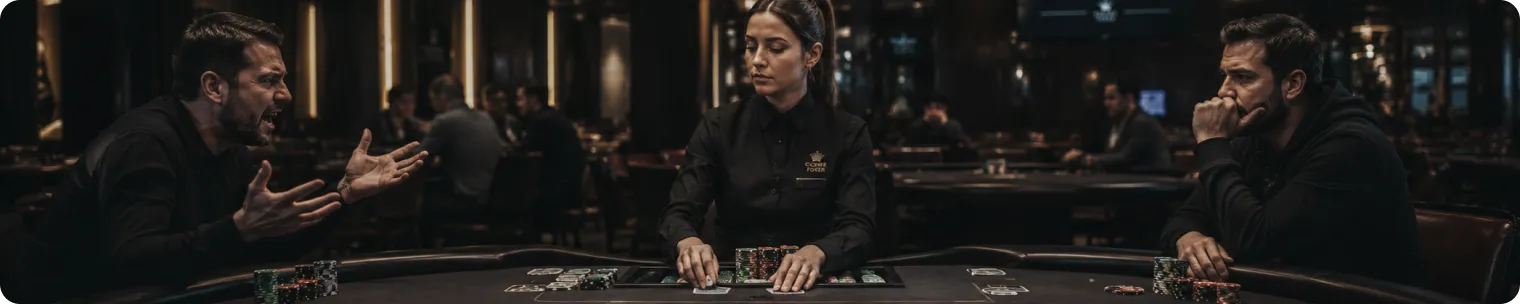
Frustrated player confronting a poker dealer

Dealers are responsible for managing the game, not for determining card outcomes. Expressing frustration toward a dealer is inappropriate and counterproductive.

The dealer does not influence which cards are dealt.

Aggressive behaviour, including verbal abuse or negative gestures, may result in ejection or formal warnings.

Maintaining composure is essential to ensure a fair and professional playing environment.

Always treat all staff with respect.

Don’t Show Folded Cards or Talk Strategy Mid-Hand

After you fold, don’t flash your cards “just for fun.” That ruins the integrity of the hand and distracts players still in it. Same goes for muttering about “what you would’ve done.”

Also - don’t coach. We get it, you read three poker books and now you think you’re Ivey. But unless someone asks for your advice, keep it to yourself.

Limit Mobile Device Usage at the Table

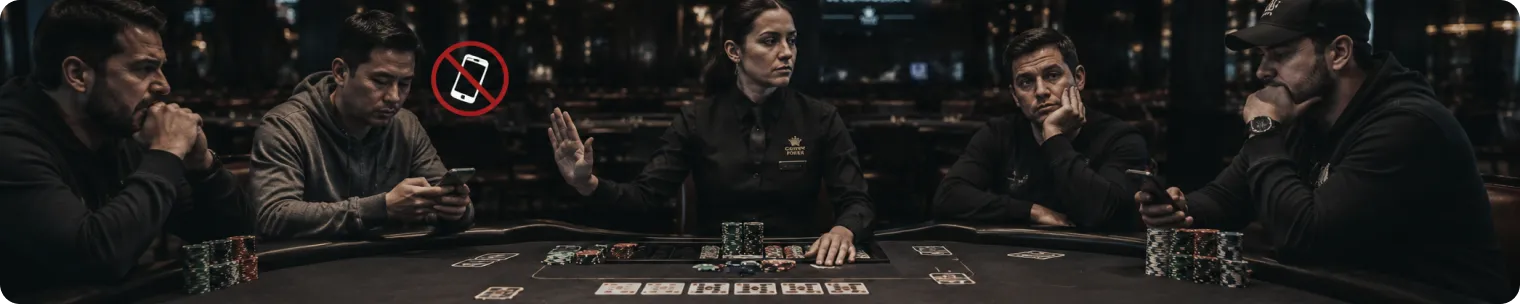
Player using phone at poker table

The use of mobile phones during live poker games is discouraged. Mobile usage can disrupt the game flow and cause unnecessary delays.

Failure to respond when it is your turn can frustrate other participants.

Some establishments prohibit phone use entirely while seated at the table.

Prioritise attentiveness and maintain focus on the game.

Avoid Excessive Alcohol Consumption

While moderate alcohol consumption is generally acceptable during poker games, excessive intoxication can negatively impact both gameplay and table atmosphere.

    • Intoxicated behaviour, such as slurred speech, mismanaging chips, or missing actions, disrupts the game.
    • Impaired decision-making may lead to rapid financial losses.
    • Players are advised to monitor their alcohol intake and maintain composure.


Responsible consumption supports a focused and respectful environment.

Do Not Engage in Excessive Theatrics

Exaggerated behaviour at the table can be distracting to other players and slow down the game.

  • Avoid loud commentary, prolonged reactions, or unnecessary dramatics.
  • Maintain a calm and professional demeanour to ensure consistent game flow.
  • Displaying confidence is acceptable, but attention-seeking conduct is discouraged.


Remain focused and courteous to maintain a positive table presence.

Don’t Make Dodgy Plays Just to Tilt Others

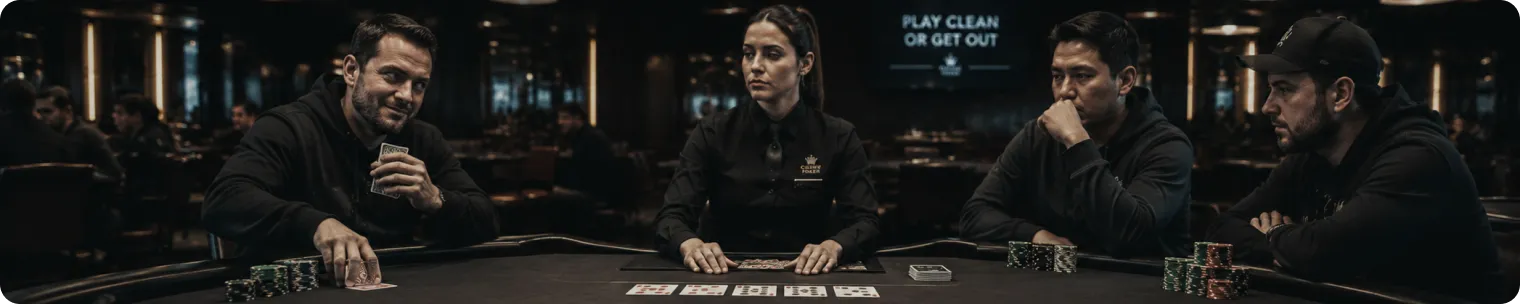
Dodgy play at poker table

Angle shooting, fake misclicks, pretending to muck then pulling your cards back - yeah, we’ve seen it.

If you're only playing to stir the pot, you’ll eventually burn bridges with every poker room that matters.

Play clean or get out.

Don't Be the Home Game Cowboy

In home games, you can deal your own cards, run it twice, or play with a wild eight. But don’t bring that into formal rooms.

Cardrooms run structured games with house rules. You need to respect the dealer, the structure, and the protocol.

Tip: If you’re unsure about a rule - just ask.

Bonus Tips for Blending In Like a Pro

Want to go from a rookie to a respected regular? These aren’t official rules - but if you stick to them, you'll earn a solid rep and make the whole table experience better for everyone.

Use headphones sparingly

Sure, a bit of background music or white noise helps you focus - but don’t get too deep in your own world.

  • You might miss the dealer announcing action or asking for a bet.
  • If you're constantly pulling out an earbud to ask “what's the raise?”, you'll drive others nuts.
  • Worse, if you're blasting music and shouting over it? That’s just rude.


Keep it low, stay alert, and be ready to engage.

Don’t bluff about the rules

We all know that guy - the one who tries to “explain” a made-up rule mid-hand just to save himself from a bad beat.

  • Don’t pretend there’s a house rule just because it benefits you.
  • Don’t argue with the dealer unless you're 100% sure - and even then, do it politely.
  • Trying to correct others constantly makes you look like a know-it-all - and not in a good way.


Not sure about a rule? Ask the dealer - that’s their job. Don’t play Rulebook Cowboy.

Mind your space

Poker tables can get cramped, especially in pub games or smaller casino setups. Respect the space of others around you.

  • Don’t lean halfway across the table to reach chips or cards that aren’t yours.
  • Keep your arms, drinks, phone, and chip stack within your own little zone.
  • If you’re stretching like you’re at yoga class, you’re doing it wrong.


Everyone paid the same buy-in - don’t act like you own the joint.

Frequently Asked Questions

What is bad poker etiquette?

Bad poker etiquette includes any behaviour that disrupts the game, gives unfair information, slows down play or disrespects other players and staff. Common examples include slow rolling, acting out of turn, splashing the pot, talking during live hands, abusing the dealer, hiding chips or using your phone when action is on you.

Why is slow rolling considered rude in poker?

Slow rolling is considered rude because it deliberately delays revealing a winning hand, usually to provoke or embarrass another player. Even if it is not technically against the rules in every room, it is widely viewed as poor sportsmanship and can quickly create tension at the table.

Can you talk during a poker hand?

You should avoid talking about the hand while action is still live, especially if you are not involved in the pot. Comments about folded cards, possible hands, strategy or what you “would have done” can influence decisions and damage the fairness of the game. Once the hand is over, casual chat is usually fine.

Is it okay to use your phone at a live poker table?

Phone use depends on the venue, but it is generally best to keep it limited. Some poker rooms restrict phone use during hands, while others allow it as long as it does not delay play. The safest approach is to stay alert, put the phone away when you are in a hand and respond quickly when it is your turn.

How can new players avoid looking rude at the poker table?

New players can avoid problems by keeping their actions simple and respectful. Wait your turn, make clear bets, stack chips neatly, avoid commenting on live hands, treat the dealer politely and ask questions if you are unsure about a rule. Most players are patient with beginners who are trying to follow the game properly.